SPRING
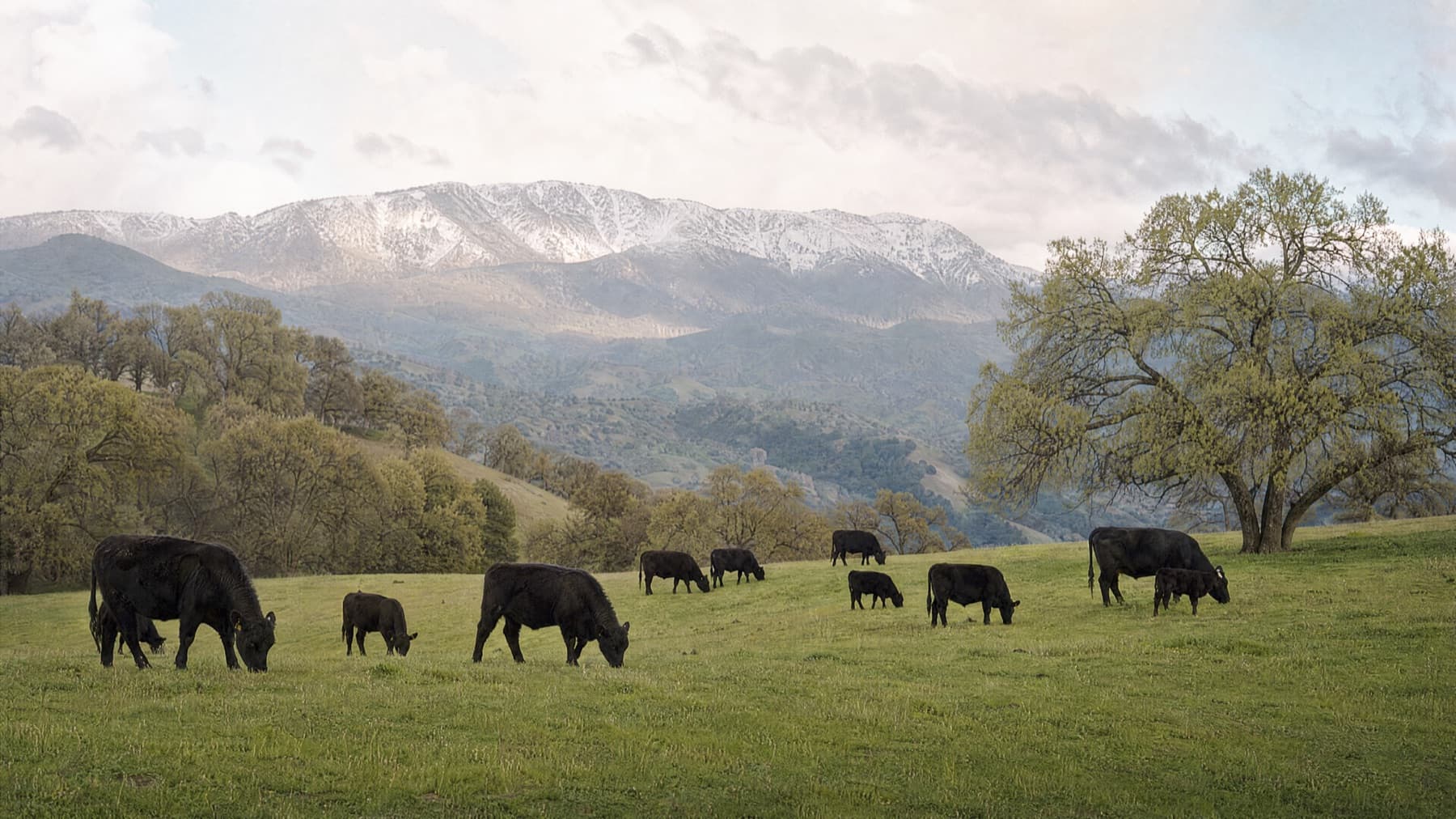
Calving season and the green flush. The hills come back fast and the rotations run fast with them, a few days per paddock while the grass outgrows the herd. Every calf born here stays here.
Our story
163 acres in the Sierra Nevada foothills
Our story
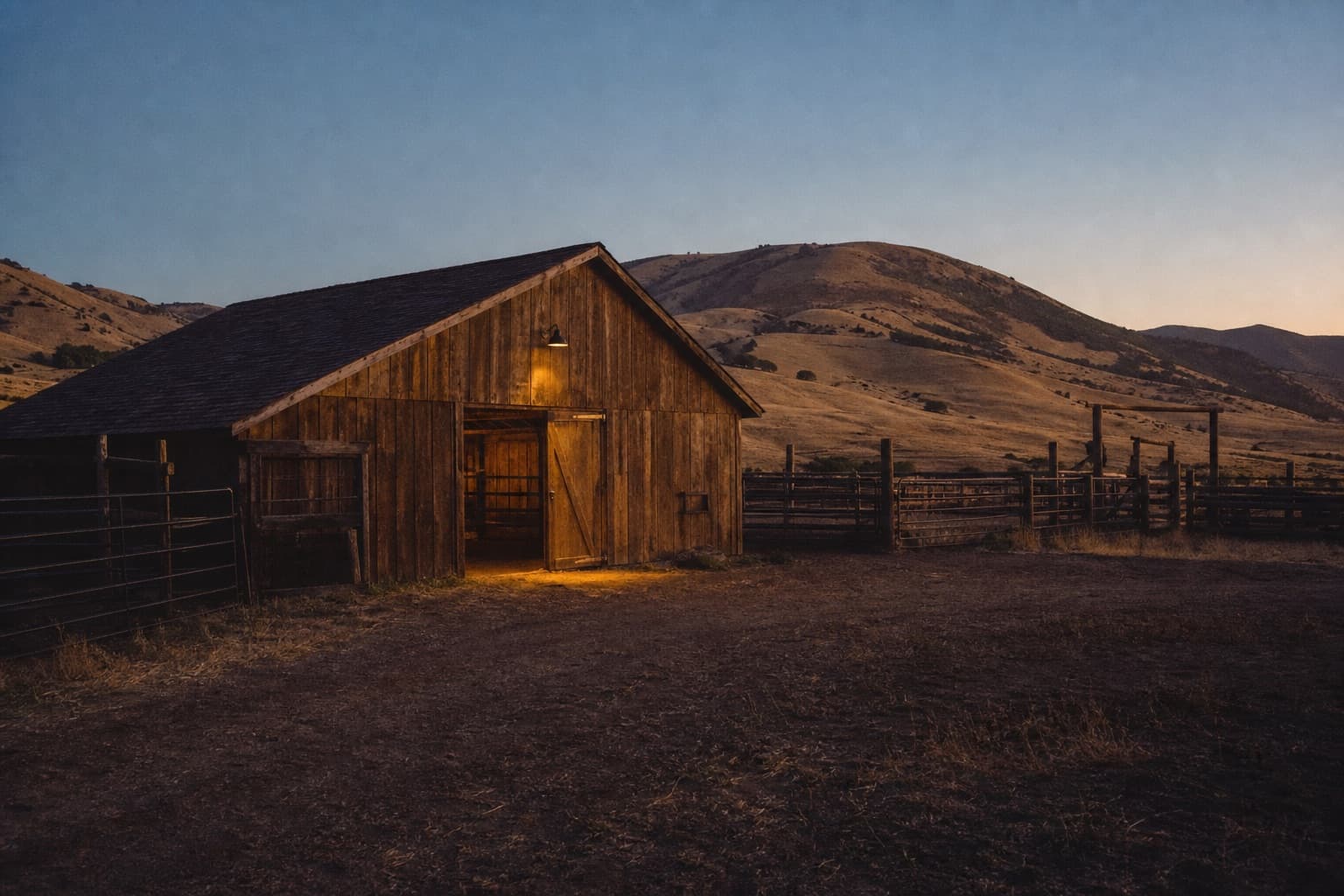
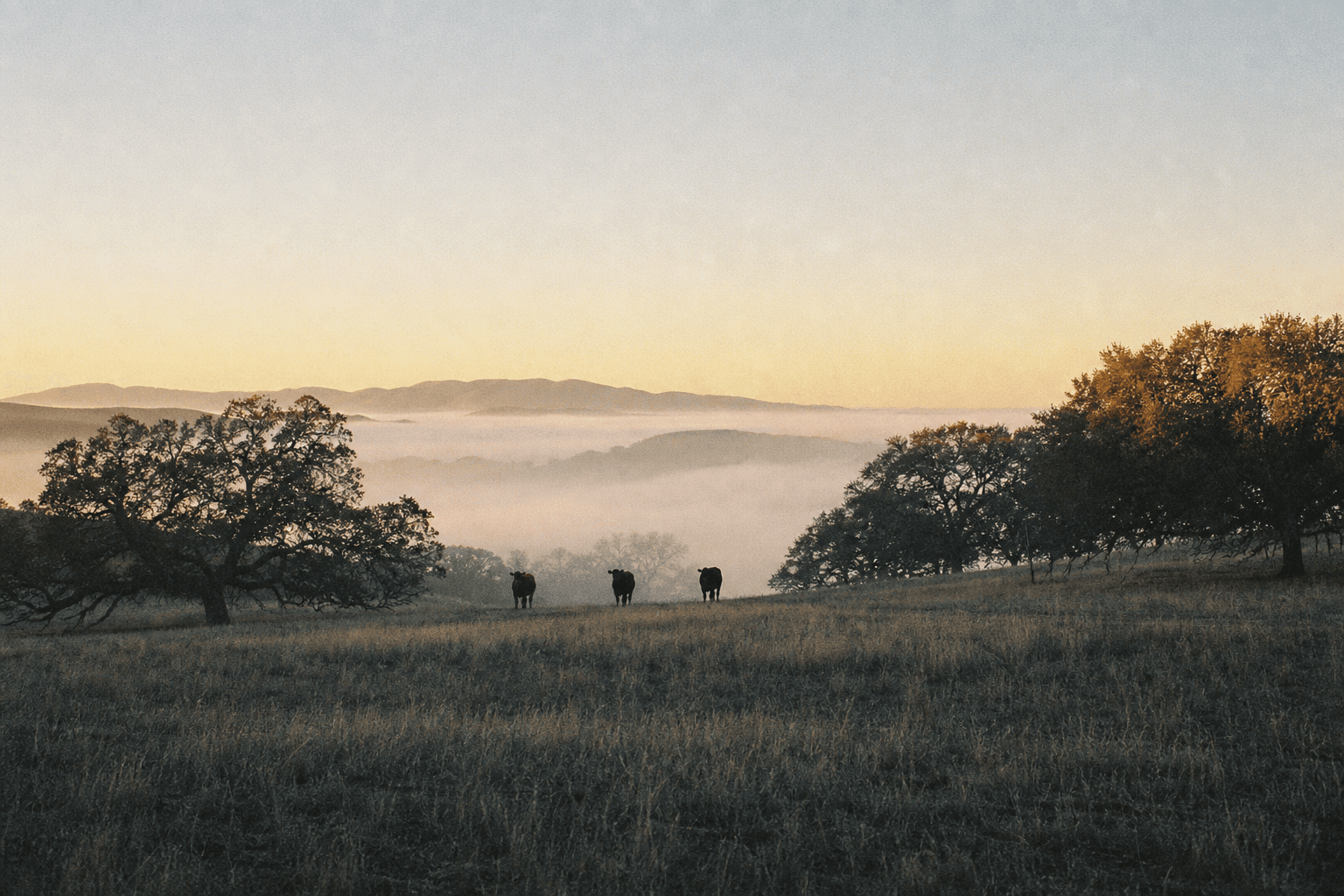
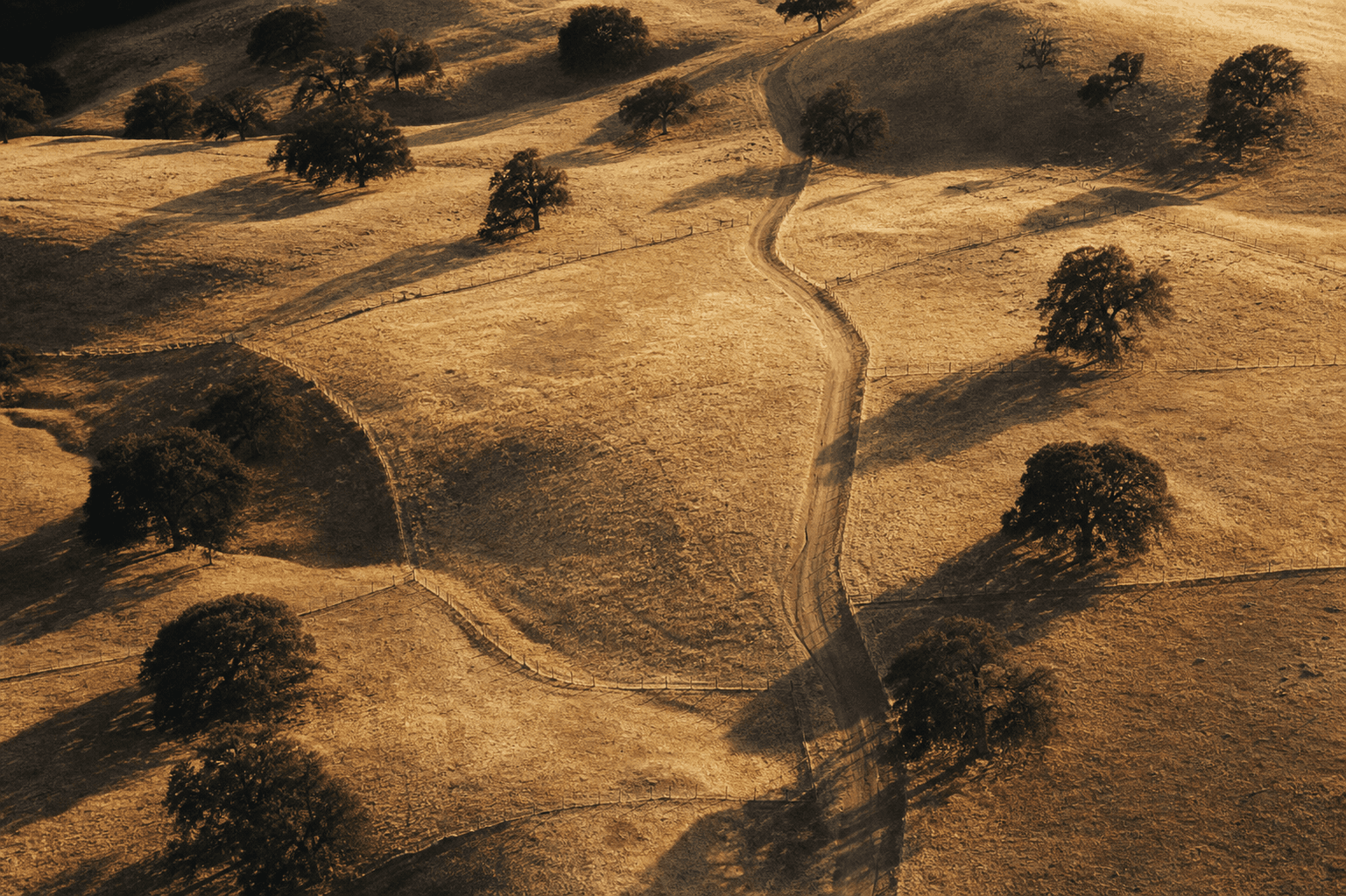
Our 163 acres sit outside Grass Valley, where valley heat gives way to pine. Five paddocks, one closed herd.
Reserve a share of one animal, choose your cuts with the butcher, and bring home beef packed for your freezer. You can also ask about individual cuts for smaller orders.
Every animal in our Black Angus and Murray Grey herd is born and raised here, on grass and hay grown on our own ground, with alfalfa to supplement in winter. No bought-in cattle. No grain.
You order directly from the ranch. You know where your beef comes from, and we know whose table it is headed to.
Our 163 acres sit outside Grass Valley, where valley heat gives way to pine.
Season by season
The work changes with the pasture: calving and quick rotations, haying, processing windows, then a winter reset.
Calving season and the green flush. The hills come back fast and the rotations run fast with them, a few days per paddock while the grass outgrows the herd. Every calf born here stays here.
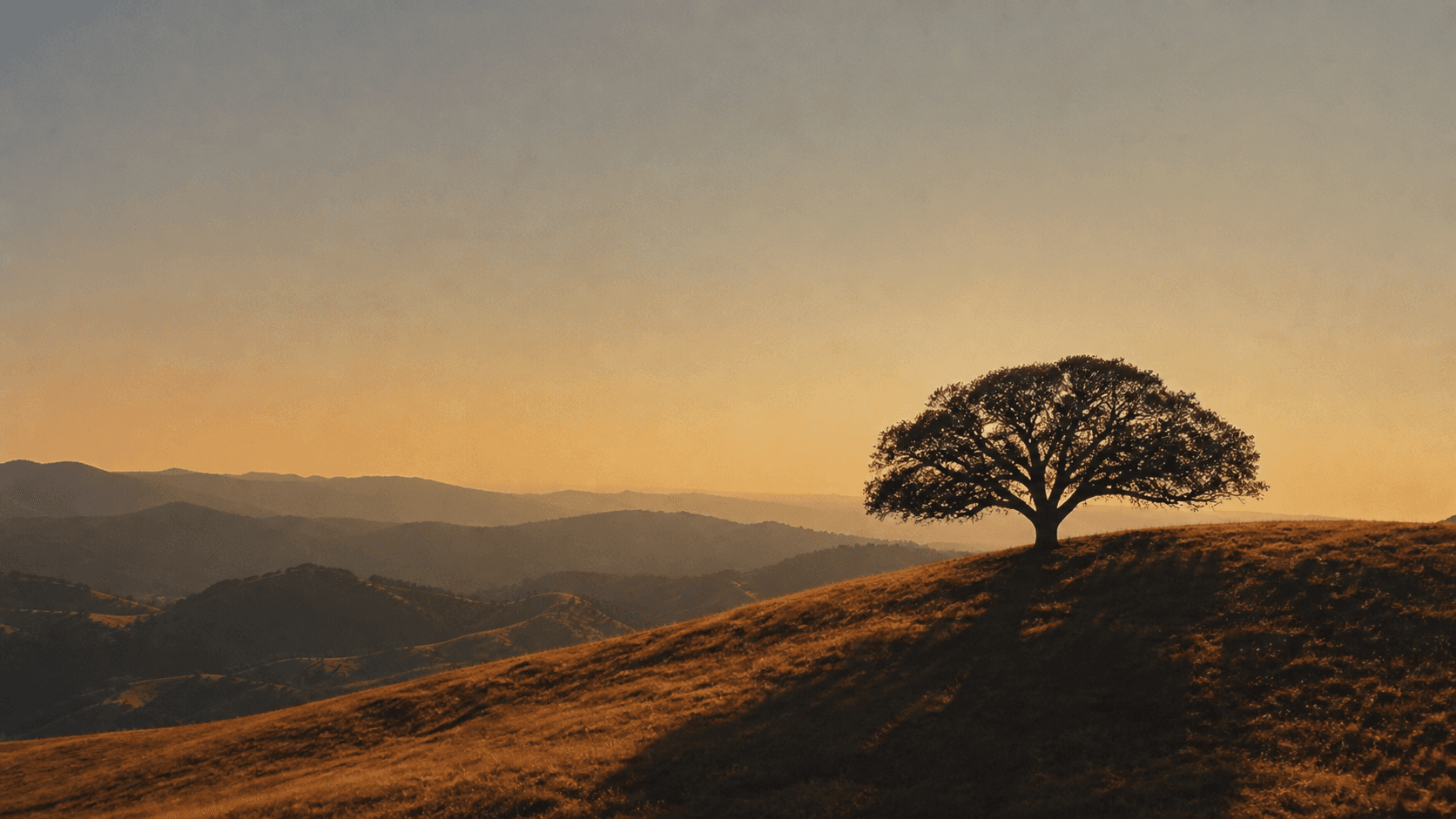
The grass cures to standing hay by July. Rotations slow, shade matters, and in June we cut and bale the winter's feed off our own ground. Long light, slow weight.
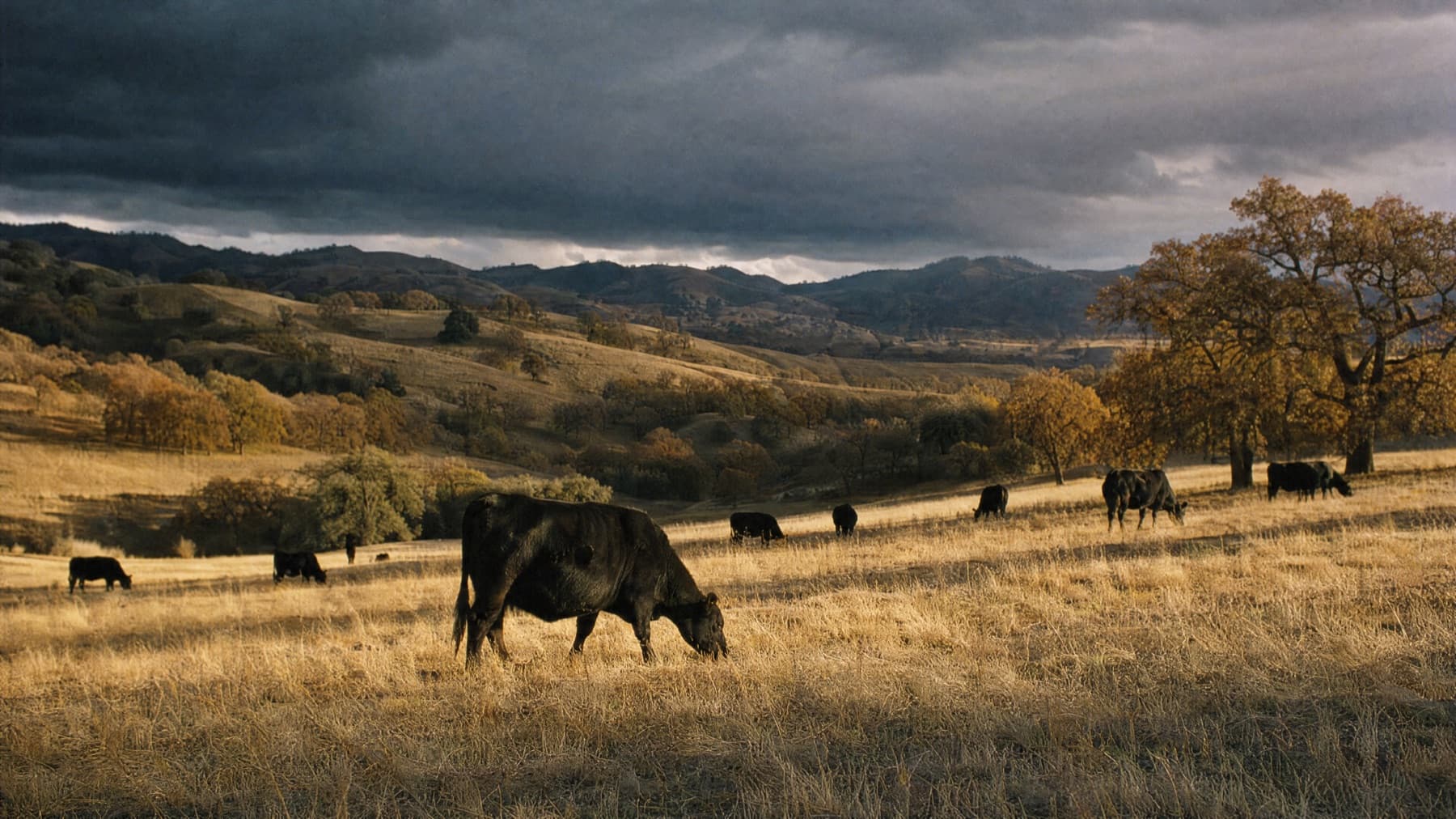
Processing windows open. Shares come off the hill one animal at a time and leave as vacuum-packaged cuts for their owners' freezers. The hills wait for rain.
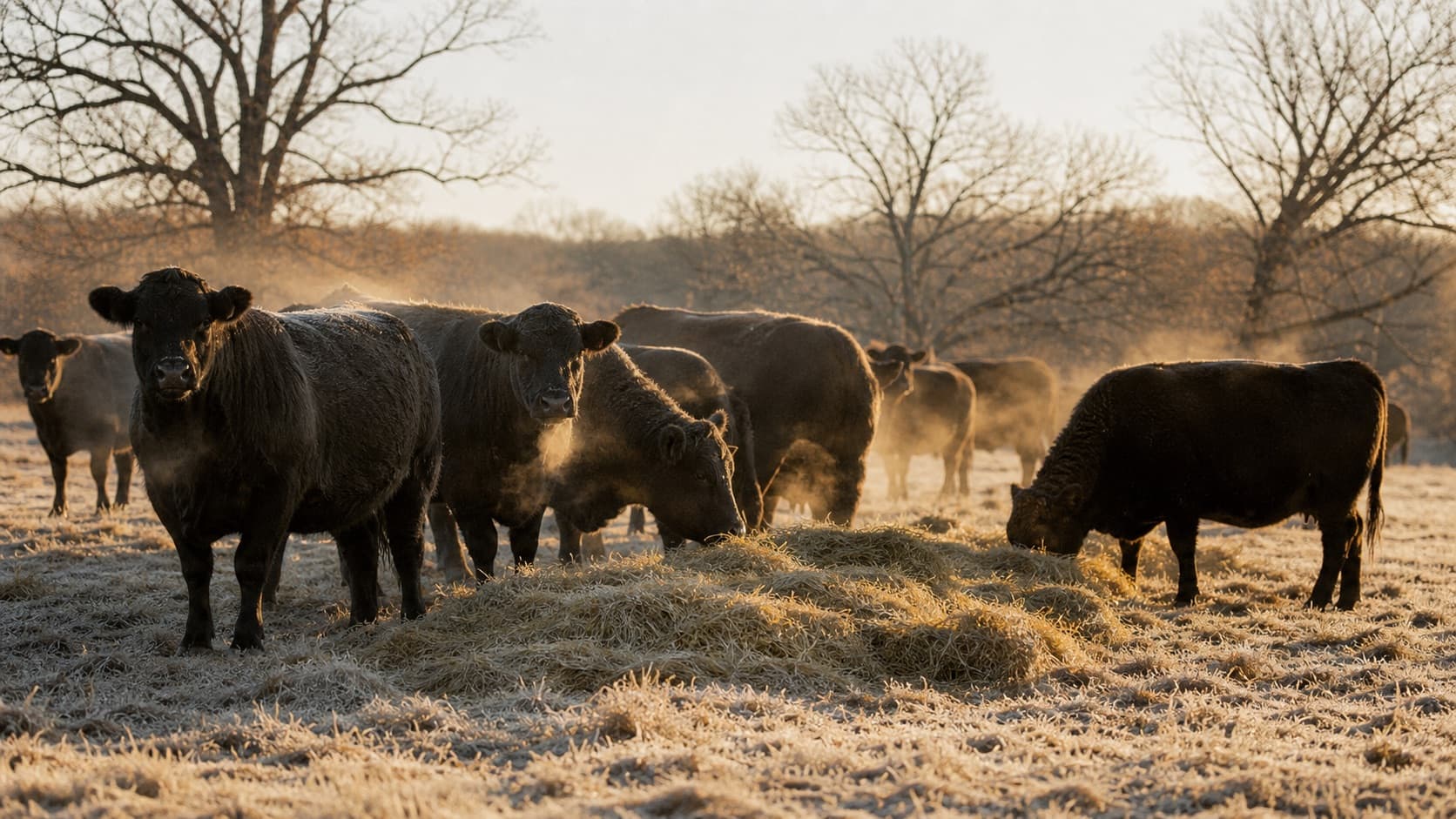
Short, green, and cold. On frost mornings the herd eats June's hay with steam rising off their backs. The paddocks rest, the roots hold, and the year resets.
The daily work
Move the herd often. Rest the ground long. Keep the feed honest.
Grass, our own hay, and alfalfa to supplement. Rotational grazing is slow by design: it builds soil, holds water, and puts a year of patience into every pound.
Most days are gates, water, fence wire, and hay. The herd is handled quietly and on foot, from first day to last, and it shows in the finish: an animal that has never been hurried finishes clean.
Harvest to freezer
Shares are harvested on the ranch and cut to each owner's instructions by a custom butcher, then vacuum sealed, frozen, and labeled. Beef sold by the cut and in Beef Club boxes is processed at a USDA-inspected facility. Final scheduling and cut instructions are confirmed with each share owner.
The home place
Choose a share. We’ll walk you through the rest.
Our 163 acres sit outside Grass Valley, where valley heat gives way to pine.
Every animal in our Black Angus and Murray Grey herd is born and raised here, on grass and hay grown on our own ground, with alfalfa to supplement in winter. No bought-in cattle. No grain.
Reserve a share of one animal, choose your cuts with the butcher, and bring home beef packed for your freezer. You can also ask about individual cuts for smaller orders.
You order directly from the ranch. You know where your beef comes from, and we know whose table it is headed to.
The work changes with the pasture.
Calving season and the green flush. The hills come back fast and the rotations run fast with them, a few days per paddock while the grass outgrows the herd. Every calf born here stays here.
The grass cures to standing hay by July. Rotations slow, shade matters, and in June we cut and bale the winter's feed off our own ground. Long light, slow weight.
Processing windows open. Shares come off the hill one animal at a time and leave as vacuum-packaged cuts for their owners' freezers. The hills wait for rain.
Short, green, and cold. On frost mornings the herd eats June's hay with steam rising off their backs. The paddocks rest, the roots hold, and the year resets.
Move the herd often.
Rest the ground long.
Grass, our own hay, and alfalfa to supplement. Rotational grazing gives the pasture time to recover between grazings. Caring for the ground is part of caring for the herd.
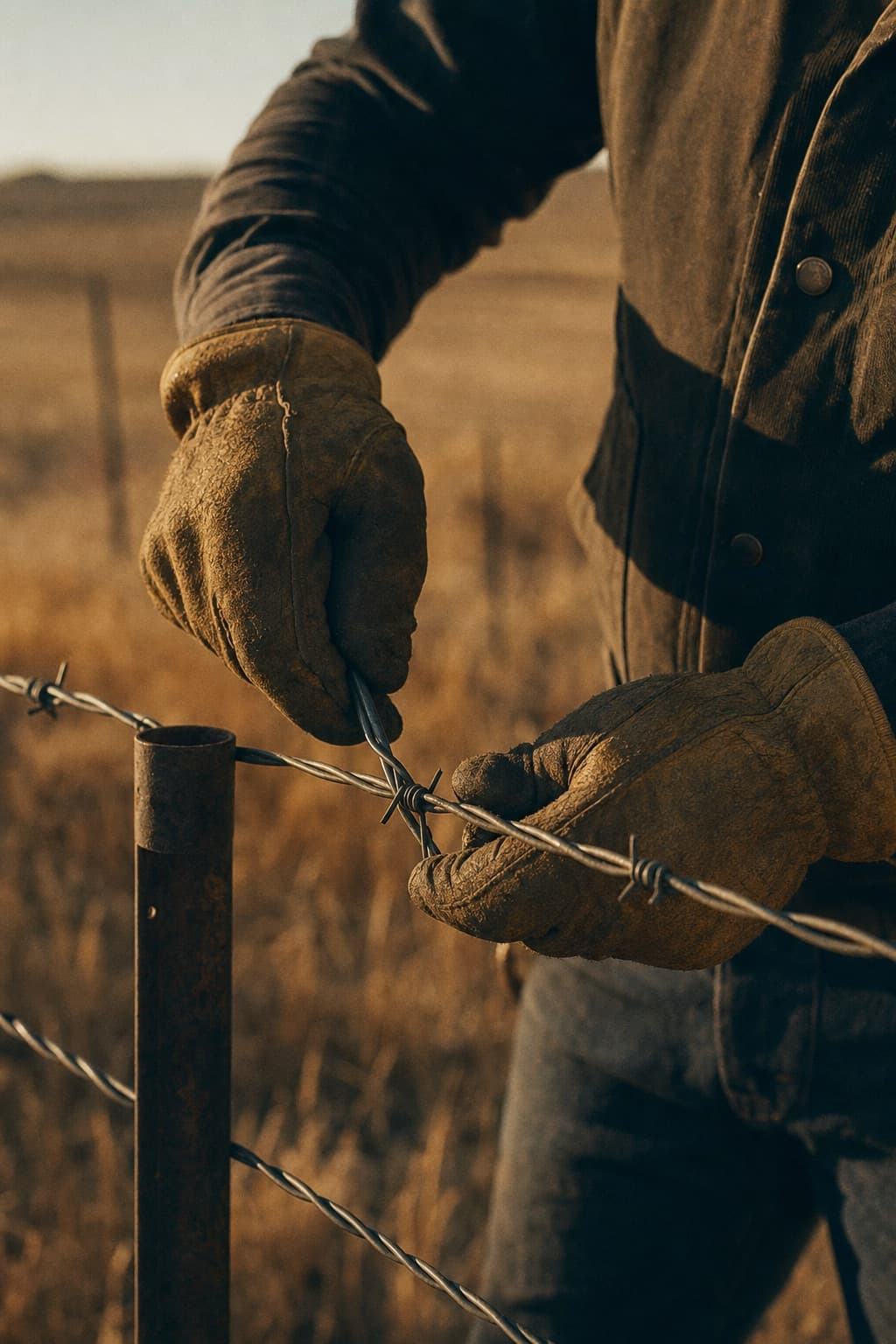
Most days are gates, water, fence wire, and hay. We handle the herd quietly and on foot. The care is in the routine, from the first day to the last.
Shares are harvested on the ranch and cut to each owner’s instructions by a custom butcher, then vacuum sealed, frozen, and labeled. Beef sold by the cut and in Beef Club boxes is processed at a USDA-inspected facility.
We confirm scheduling and cut instructions with each share owner.